
6 Common Commercial HVAC Service Issues
Maintaining a comfortable and safe environment is crucial for any business, which makes reliable heating and cooling essential. When heating and cooling units fail, facility managers and business owners face frustrated employees, uncomfortable customers, and potential losses in productivity. Understanding common issues can help property managers take a proactive approach to maintenance. According to Workyard, commercial HVAC systems account for nearly 30% of the market as of 2024. Because these intricate setups represent such a substantial portion of the industry, keeping them running efficiently is vital. Many businesses rely on professional commercial HVAC services to identify vulnerabilities before they cause complete breakdowns. By recognizing the early warning signs of equipment stress, facility managers can prevent minor malfunctions from escalating into major disasters. Proper upkeep not only ensures consistent indoor temperatures but also extends the life of the entire setup. Addressing problems early saves time, reduces frustration, and minimizes operational disruptions.
1. Experiencing Poor Airflow
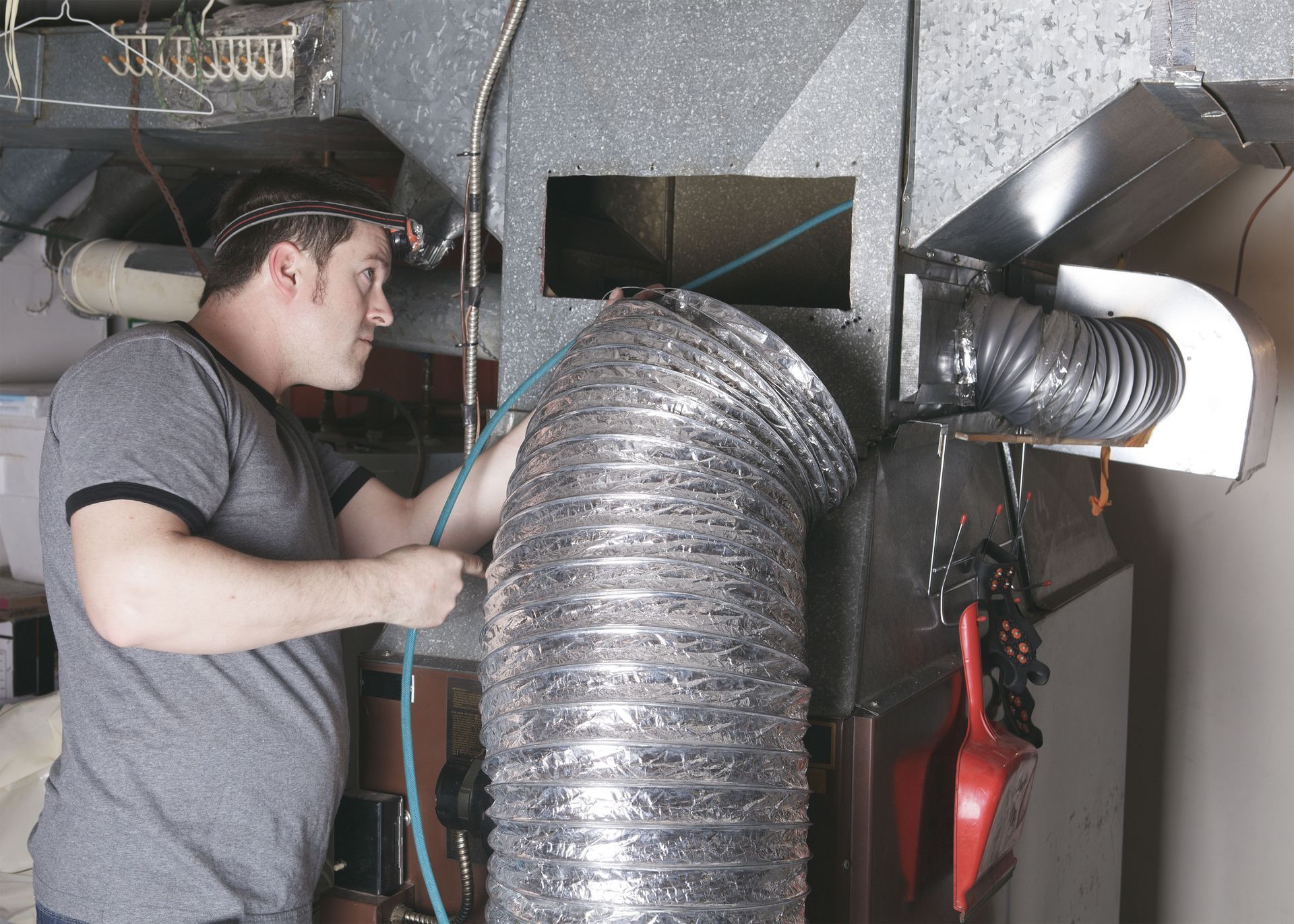
A noticeable drop in airflow is one of the most frequent complaints facility managers encounter. When the air feels stagnant or certain rooms remain warmer than others, the system must work much harder to reach the desired thermostat setting. This strain not only increases utility bills but also accelerates wear and tear on internal components. Restricted airflow usually stems from neglected maintenance, such as heavily clogged filters or blocked vents. Dust and debris accumulate quickly in bustling business environments, choking the ventilation pathways. Additionally, improperly designed ductwork can bottleneck the air before it ever reaches the workspace. To prevent these disruptions, establishing a routine maintenance schedule is imperative. Regularly replacing air filters and inspecting the ductwork for obstructions will maintain steady, even air distribution. Engaging with expert commercial HVAC services ensures that professionals thoroughly clean the ventilation network and evaluate the blower motor for optimal performance. By prioritizing unobstructed airflow, businesses can easily preserve a fresh, comfortable atmosphere for everyone inside the building.
2. Detecting Refrigerant Leaks
Refrigerant is the lifeblood of any cooling setup, responsible for absorbing heat and carrying it outside. When a leak occurs, the entire cooling cycle is compromised. You might notice the air coming from the vents feels lukewarm, or you might hear faint hissing sounds near the main unit. Sometimes, ice even forms along the evaporator coils because the pressure imbalance causes the internal temperature to drop too low. Leaks typically develop due to prolonged exposure to the elements, which causes physical corrosion along the lines or connection points. Excessive vibrations from the equipment can also loosen fittings over time. To prevent this, proactive visual inspections are essential. Finding and patching tiny leaks early stops the system from running continuously without ever reaching the set temperature. Reliable commercial HVAC services have the specialized tools needed to detect microscopic leaks and safely recharge the fluid to its optimal level. Routine professional checkups guarantee that all connections remain tight and the coils stay free from damaging corrosion.
3. Addressing Thermostat Malfunctions
Sometimes the root cause of a heating or cooling issue has nothing to do with the heavy machinery and everything to do with the control panel. Thermostats act as the brain of the climate control network, telling the main equipment when to turn on and shut off. If the thermostat becomes uncalibrated or suffers from faulty wiring, it can send incorrect signals. This miscommunication leads to short cycling, where the equipment rapidly turns on and off, or continuous running that freezes the workspace. Dust infiltration behind the control panel or dead batteries in wireless units are common culprits. Preventing these headaches is as simple as adding the control panels to your seasonal checklist. Dusting the interior components and testing the calibration ensures accurate temperature readings. Upgrading to a modern, programmable interface can also mitigate many common errors. When seeking commercial HVAC services, technicians can recalibrate existing units or integrate advanced controls that monitor the indoor climate with precise accuracy, ensuring the main machinery receives the correct commands.
4. Managing Electrical Problems
Intricate wiring and high-voltage connections power the massive fans and compressors that regulate indoor climates. Electrical problems can manifest as frequently tripped breakers, blown fuses, or complete failure to turn on. These complications are particularly frustrating because they often strike without warning. Over time, constant thermal expansion and contraction can loosen electrical connections, creating dangerous arcing or power drops. Furthermore, aging contactors and failing capacitors place immense strain on the motors, eventually leading to a complete system halt. Preventing electrical failures requires a dedicated, proactive strategy. Visual inspections of the wiring harnesses should be conducted regularly to spot frayed jackets or scorched terminals. Securing professional commercial HVAC services allows certified technicians to test voltage levels and tighten all electrical connections safely. These experts can replace worn-out contactors before they fuse together and burn out the blower motor. Maintaining a robust electrical network ensures the equipment powers up smoothly every time, preventing sudden, unexpected downtime that disrupts daily business operations.
5. Clearing Drainage Issues
As cooling equipment pulls heat from the air, it also extracts significant amounts of humidity. This moisture collects in a drain pan and flows outside through a condensate line. If this line becomes clogged with dirt, algae, or mineral deposits, the water has nowhere to go. It eventually overflows the pan, leaking through ceilings, damaging drywall, and creating slip hazards on the floor below. Stagnant water also serves as a breeding ground for mold and unpleasant odors, which degrade the indoor air quality and create an unhealthy environment. To prevent water damage, the drainage system needs regular attention. Flushing the condensate line with a specialized cleaning solution stops algae growth in its tracks. Utilizing professional commercial HVAC services guarantees that the drain lines are cleared with high-pressure vacuums and that the primary and secondary drain pans are thoroughly sanitized. Installing an overflow shut-off switch can also provide peace of mind by automatically halting the machinery if the water level rises too high.
6. Maintaining Mechanical Components
Beyond electrical wiring and fluid lines, the physical moving parts within a heating and cooling framework endure immense friction daily. Blower motors, belts, and bearings work tirelessly to push conditioned air throughout sprawling facilities. When these mechanical elements lack proper lubrication, the resulting friction generates excessive heat and grinds the metal components down. A worn, slipping belt might produce a loud screeching noise, while dry bearings often emit a deep, grinding rumble. If ignored, these stressed parts will snap or seize completely, leading to a catastrophic motor failure. Preventing mechanical breakdowns revolves around consistent lubrication and tension adjustments. Belts must be inspected for fraying and replaced at the first sign of structural weakness. By scheduling routine professional maintenance, facility managers can ensure every moving part receives the exact amount of high-grade lubricant required for smooth operation. Technicians also align the pulleys perfectly, reducing the overall workload on the motor. Keeping the mechanical components properly serviced extends their operational lifespan significantly.
Protecting a facility from unexpected climate control failures requires diligence, awareness, and a commitment to proactive care. Waiting for a complete breakdown before taking action often results in exorbitant repair bills and an incredibly uncomfortable environment for both staff and patrons. From clearing clogged condensate lines to recalibrating faulty thermostats and tightening electrical connections, routine checkups provide an essential defense against equipment degradation. Facility managers who prioritize these maintenance strategies enjoy lower energy bills, improved indoor air quality, and the peace of mind that their infrastructure is operating at peak performance. Partnering with seasoned professionals ensures that every vulnerability is identified and addressed long before it causes a disruption. When you are ready to secure top-tier commercial HVAC services, reach out to the experts who understand the unique demands of large-scale climate control. Call Moore Services Inc today to schedule a comprehensive system evaluation, learn more about our customized maintenance plans, and keep your business environment perfectly comfortable all year round.
Choosing the Right Commercial HVAC Companies: Why Expertise and Reliability Matter for Your Business
Share On: