
What to Expect During Routine HVAC Services
Ensuring your home heating, ventilation, and air conditioning system operates smoothly is crucial for maintaining a healthy, comfortable, and energy-efficient living environment year-round. While it is easy to take your indoor climate for granted when everything is running properly, waiting until a major failure occurs before calling a professional can lead to costly emergency repairs, uncomfortable temperature spikes, and unnecessary stress.
Routine HVAC services help prevent unexpected breakdowns, extend the operational lifespan of your mechanical equipment, and guarantee that you are getting the absolute maximum value out of your investment. Whether you are preparing for the scorching heat of summer or the freezing cold of winter, a professional tune-up keeps your equipment running at peak performance. This comprehensive guide outlines exactly what you can expect during these essential preventive maintenance visits.
Inspection of System Components
The initial step in comprehensive routine HVAC services begins right at the user interface: the thermostat. Technicians verify that the unit is accurately calibrated and properly communicating with the furnace or air conditioner. A correctly calibrated thermostat ensures your system reaches and maintains target temperatures without cycling unnecessarily or overworking components. Addressing sensor drifts early prevents hidden energy waste and ensures seamless temperature regulation throughout the home.
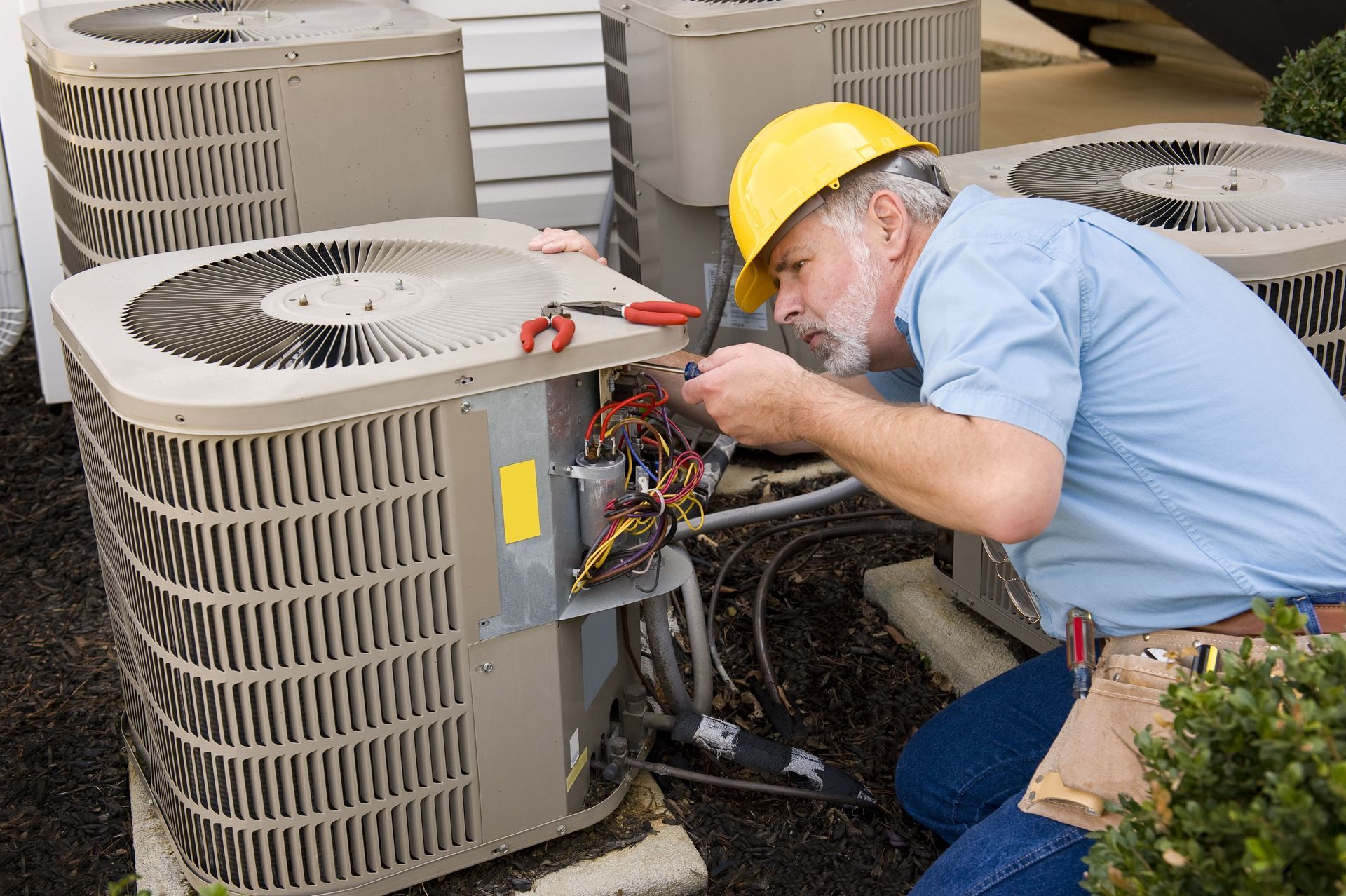
Next, technicians inspect the electrical heart of the unit. They measure voltage, check current draw on motors, and examine all wiring for signs of fraying or corrosion. Loose connections create resistance, which reduces operational efficiency and poses a serious electrical hazard. By tightening all terminals and testing safety controls, the technician mitigates fire risks and protects delicate electronic control boards from damaging power fluctuations.
For cooling systems and heat pumps, proper refrigerant charge is critical. Technicians attach digital manifolds to measure operating pressures and temperatures. If refrigerant levels are even slightly low, the system loses cooling capacity and forces the compressor to run longer and hotter. Technicians ensure levels meet exact manufacturer specifications, identifying and repairing micro-leaks before they evolve into catastrophic compressor failures.
Cleaning Essential Components
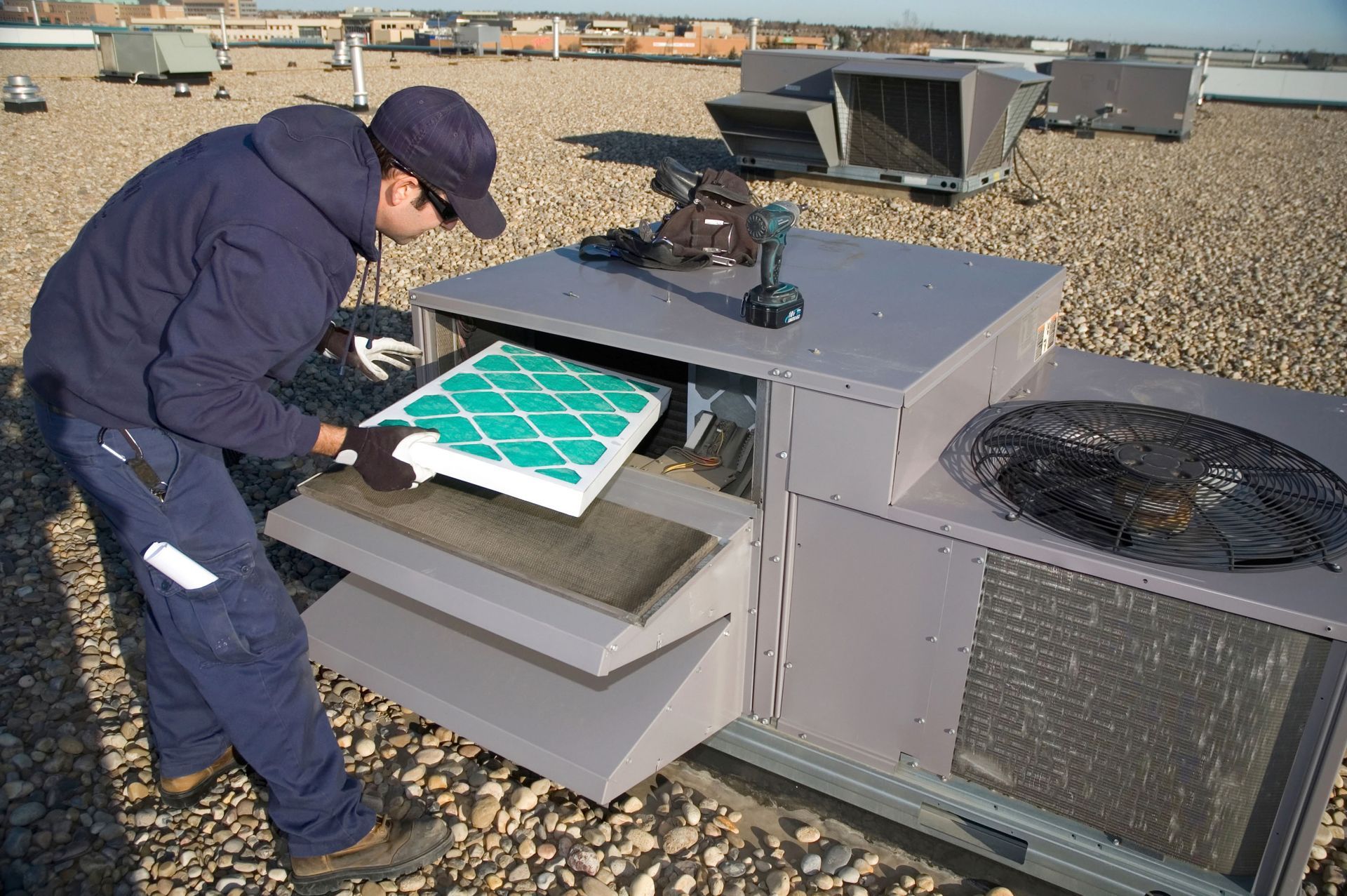
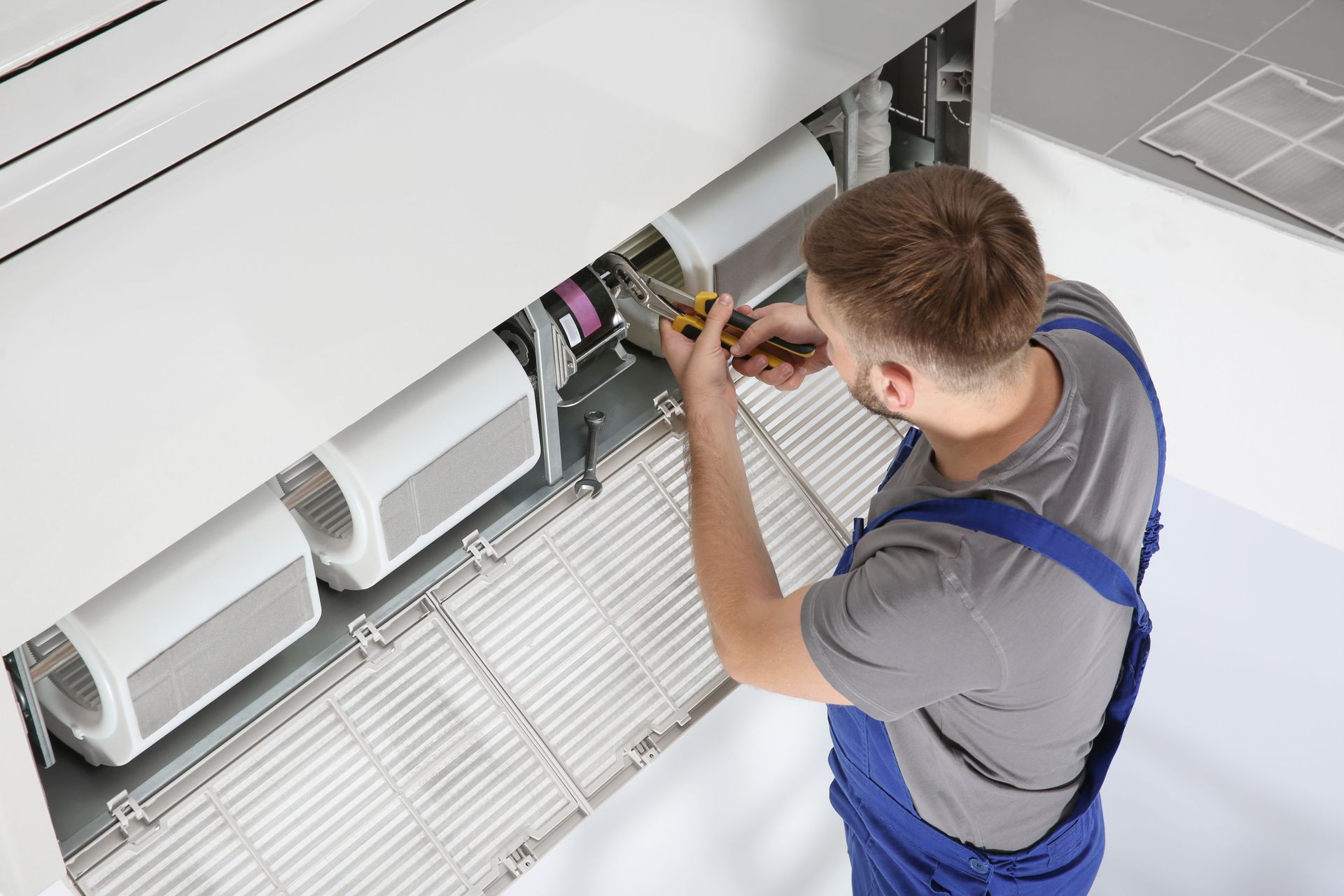
Air filters act as the first line of defense for both indoor air quality and mechanical longevity. During routine HVAC services, technicians assess the filter's condition, replacing or cleaning it as needed. Clogged filters restrict airflow, forcing blower motors to work harder while pulling dust directly into internal components. Maintaining clean filters maximizes airflow, reduces utility expenses, and keeps indoor air fresh.
Evaporator and condenser coils facilitate critical heat exchange. Over time, these coils accumulate fine dust, pollen, and grime, creating an insulating layer that hinders heat transfer. Technicians use specialized brush tools and non-corrosive foaming cleaners to remove dirt from delicate aluminum fins. Clean coils allow heat to disperse efficiently, lowering energy consumption and restoring full cooling capacity.
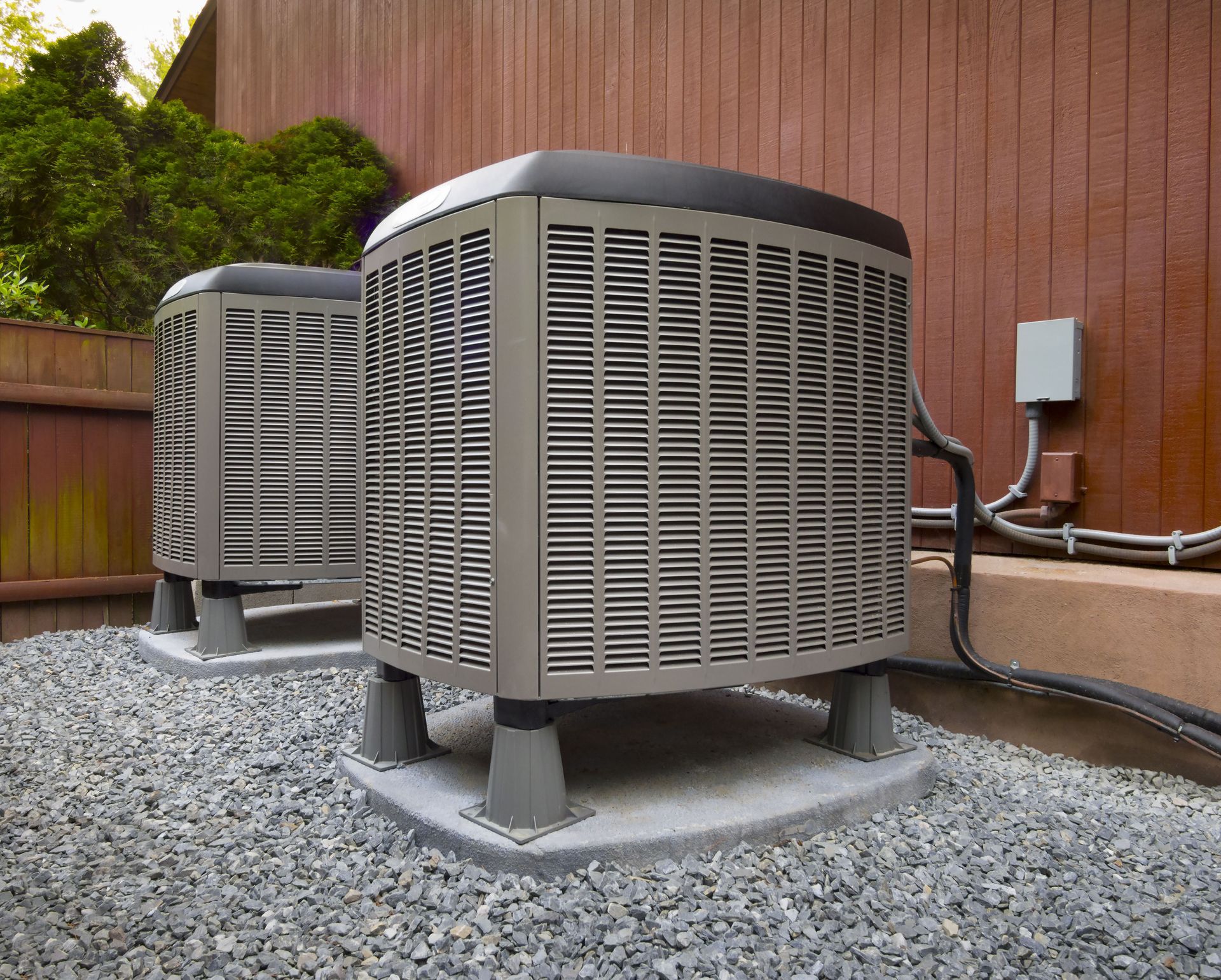
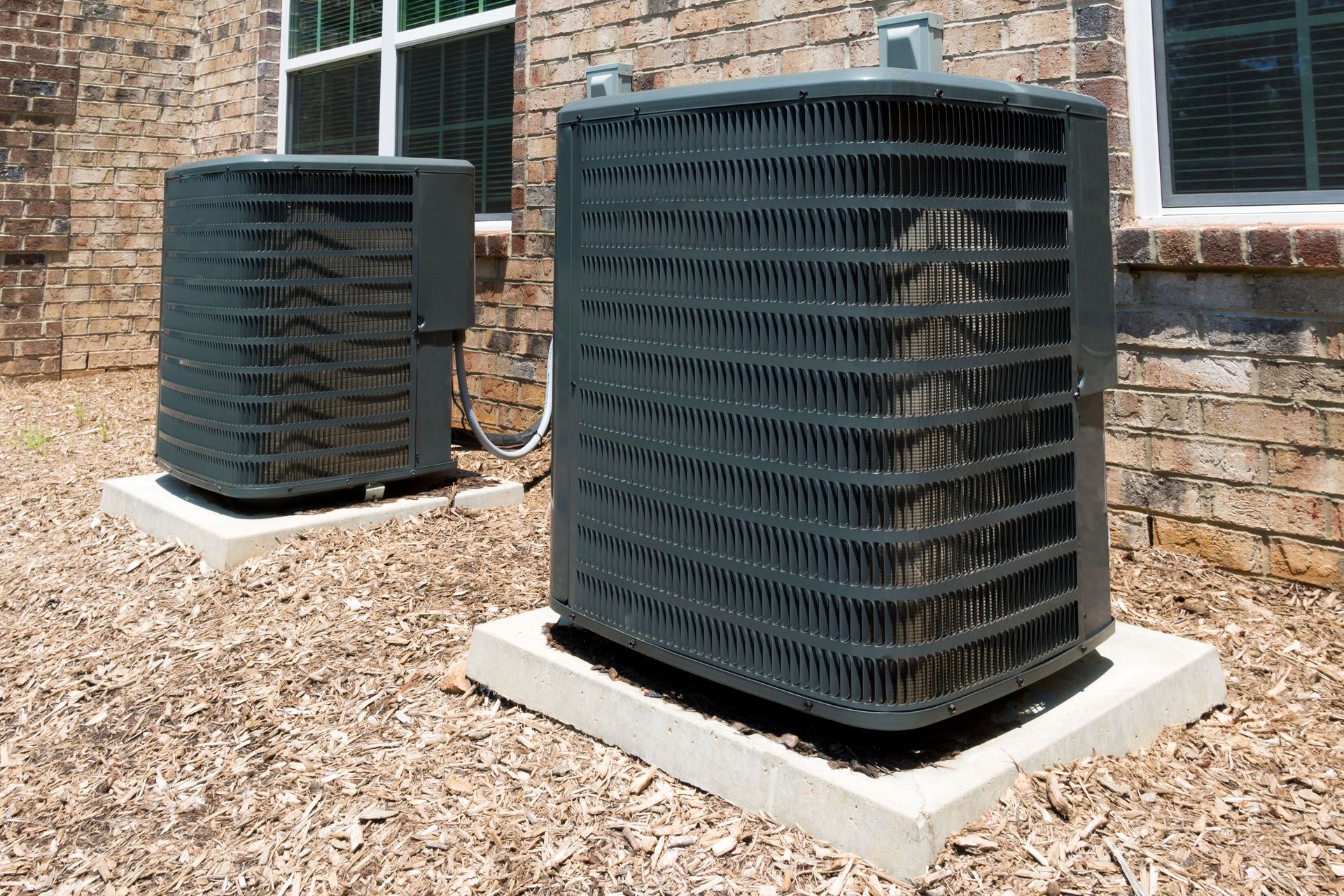
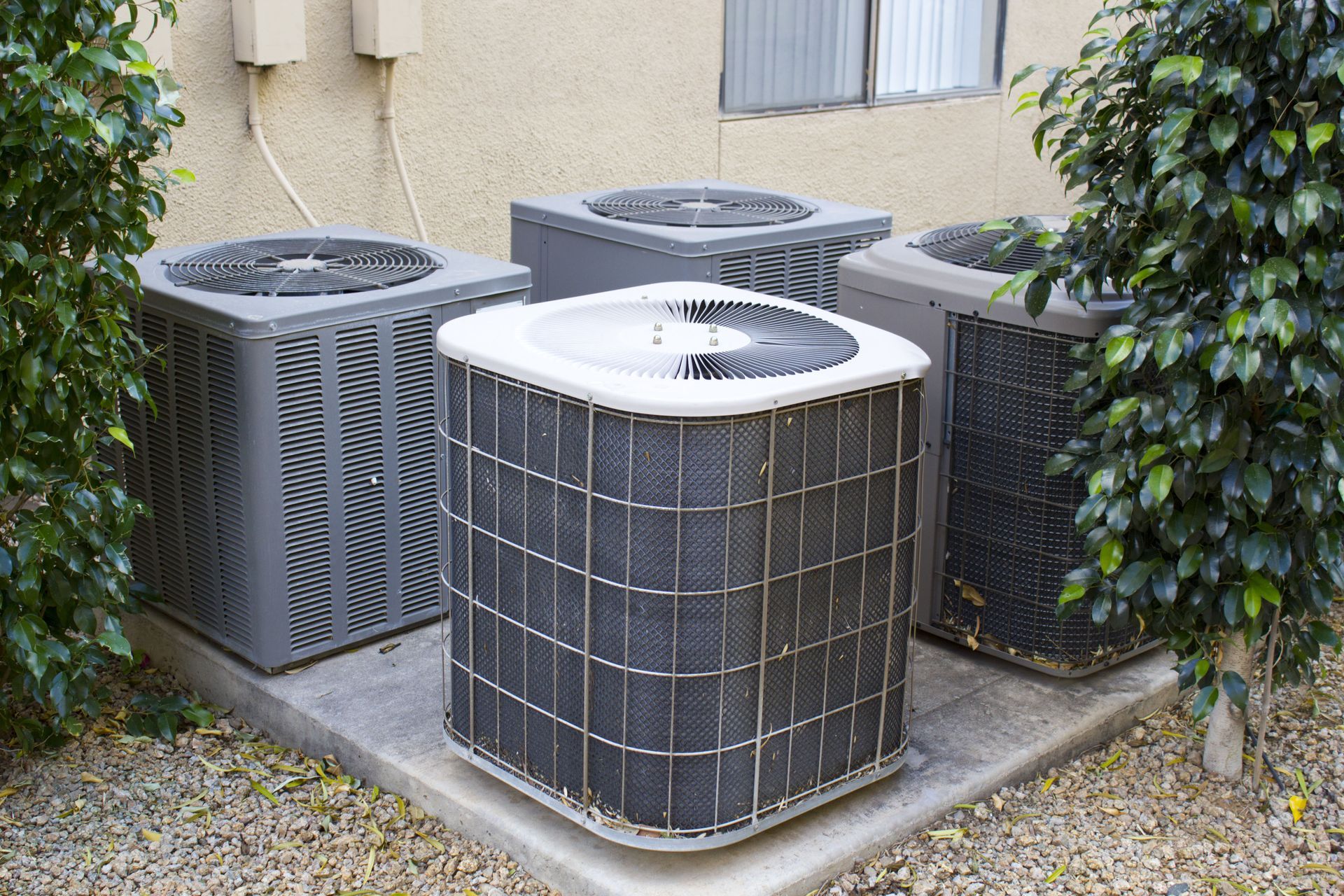
The outdoor condenser cabinet is constantly exposed to yard debris, leaves, grass clippings, and weather. Technicians clear away surrounding vegetation and clean out buildup inside the cabinet base. They also straighten bent coil fins using a fin comb. Clearing these obstructions ensures unrestricted airflow through the outdoor coil, protecting the compressor from dangerous pressure build-up.
Calibration of System Settings
Once the physical hardware is inspected and cleaned, technicians fine-tune system controls. They review baseline temperature settings and set back schedules to match seasonal demands. Calibrating these setpoints ensures your system transitions smoothly between heating, cooling, and idle modes, eliminating accidental overlapping or wasteful continuous running when the home is unoccupied.
Airflow volume must be matched to your home's duct design and heating/cooling loads. Technicians adjust variable-speed blower settings and fan delays to optimize air delivery. Proper fan balancing improves moisture removal during humid months, ensures even heat distribution in winter, and eliminates noisy air velocity sounds at supply registers.
Modern smart thermostats and communicating HVAC units feature sophisticated schedules and algorithms. Technicians review these programs to verify they align with your household’s daily routine. Optimizing sleep, away, and return schedules guarantees comfortable temperatures when you are home while automatically conserving energy when you are away.
Evaluating Overall System Performance
To evaluate operational safety, technicians observe a full startup and shutdown sequence. They monitor ignition sequences on gas furnaces, delay timers on compressors, and safety limit switches. Identifying unusual noises, hard starts, or delayed ignition allows technicians to resolve mechanical friction or electrical lag before a complete breakdown occurs.
Evaluating system efficiency is a central goal of preventive maintenance. Technicians calculate temperature differentials across coils and measure electrical draw against manufacturer benchmarks. According to Workyard, in the U.S., three million heating and cooling systems are replaced annually. Regular monitoring helps catch declining efficiency early, letting you plan for future equipment upgrades on your own schedule rather than during an emergency response
Consistent airflow and stable temperatures across every room indicate a balanced system. Technicians test static pressure in ductwork and measure supply register discharge temperatures. Detecting airflow restriction or temperature variance helps identify hidden duct leaks, closed dampers, or insulation deficiencies before they damage your equipment.
Addressing Potential Issues and Recommendations
Through systematic inspection, technicians spot subtle signs of mechanical fatigue—such as worn fan belts, pitted contactors, or aging bearings. Identifying these failing parts early prevents cascading failures that damage surrounding components, keeping minor repairs inexpensive and manageable.
If inspection uncovers broken or worn components, the technician provides transparent, written estimates for parts and labor. Clear upfront pricing allows homeowners to make informed financial decisions without feeling pressured during an unexpected home comfort crisis.
Technicians often spot opportunities to further lower energy bills. They can recommend adding duct insulation, installing zone control dampers, upgrading to smart controls, or sealing air leaks around window frames to maximize the return on your HVAC investment.
Final Report and Customer Education
At the conclusion of the visit, the technician delivers an itemized checklist covering every tested component, pressure reading, and electrical measurement. Reviewing this document helps you understand your system's overall condition and creates a helpful record for future service visits.
Technicians take time to share simple homeowner maintenance habits, such as optimal filter replacement schedules and proper outdoor unit clearing. Empowering homeowners with practical knowledge helps maintain system performance and keeps indoor air quality high between professional checkups.
Routine visits provide a great opportunity to ask questions about strange sounds, uneven temperatures, or new efficiency options. Technicians clear up confusion and offer tailored recommendations for your specific home environment.
Routine HVAC services are vital for protecting your investment, maintaining low utility bills, and enjoying consistent indoor comfort all year long. Scheduling regular maintenance ensures your system runs safely and reliably while catching minor wear before it leads to costly repairs. Beyond immediate performance perks, taking a proactive approach to system care preserves healthy indoor air quality, reduces strain on delicate mechanical components, and delivers true peace of mind through every extreme weather spell. Taking care of your heating and cooling equipment today prevents sudden emergency breakdowns tomorrow, guaranteeing that your home remains a dependable sanctuary no matter how harsh the weather gets outside.
When you need dependable, high-quality HVAC services, trust the experienced professionals at Moore Services Inc. Their certified technicians are dedicated to keeping your home comfortable in every season through meticulous inspections, honest recommendations, and top-tier workmanship. Don't wait for a system failure to prioritize your indoor comfort—contact Moore Services Inc today to schedule your next comprehensive system tune-up!
Choosing the Right Commercial HVAC Companies: Why Expertise and Reliability Matter for Your Business
Share On: